

2025
Dealing With CRA Requirements After a Loved One’s Passing
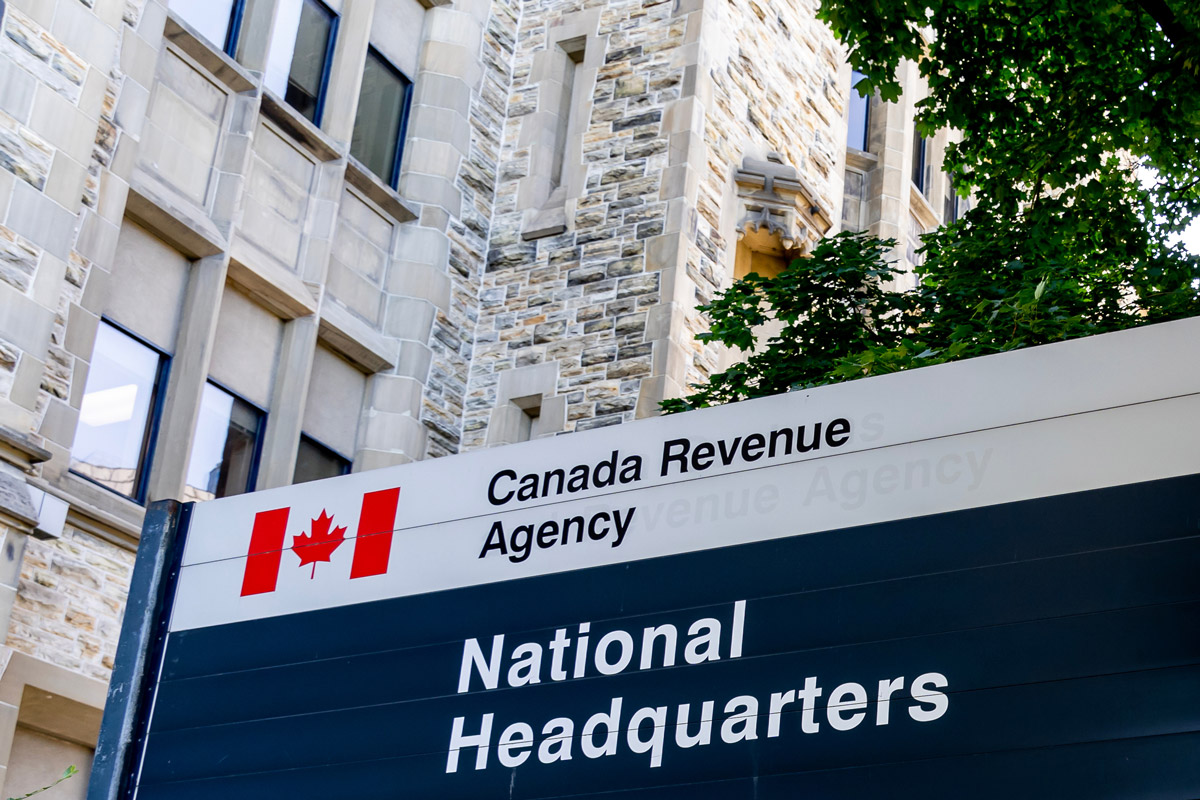
When a loved one passes away, families are often faced with a long list of responsibilities—some of the most important involve notifying and working with the Canada Revenue Agency (CRA). In today’s blog, we’ll share some helpful guidance on handling CRA requirements after a death.
Step One: Notify the CRA
One of the first steps to take is to notify the CRA of the individual’s passing. This should be done as soon as possible to ensure any government benefits are appropriately adjusted or stopped.
To do this, the person reporting the death will need to provide:
- Their full name, phone number, and relationship to the deceased
- The full name, date of birth, and date of death of the deceased
- The deceased’s Social Insurance Number (SIN)
- The deceased’s last residential address
- The maiden name of the deceased’s mother
- A copy of an official tax document (e.g. Notice of Assessment or a previously filed T1 Tax Return)
Once the CRA has received this information, they will update the deceased’s file and make any necessary changes to benefit payments.
Step Two: Responsibilities of the Legal Representative
The legal representative—typically the executor named in a will or an administrator appointed by the court—has specific duties when it comes to managing the deceased’s tax affairs.
These responsibilities include:
- Filing all required tax returns for the deceased
- Paying any taxes owing
- Notifying beneficiaries of any taxable amounts they receive from the estate
- Reporting executor/administrator fees on a T4A slip (unless already included in your business income)
- Requesting a Clearance Certificate from the CRA to confirm that the estate has no outstanding tax obligations
If no will exists or no executor is named, you can apply to act as the representative by submitting Form RC552 – Register as Representative for a Deceased Person.
Step Three: Applying for the CPP Death Benefits
If eligible, the personal representative should apply for two death benefits offered by CPP:
- Death Benefit – A one-time lump sum of up to $2500 is available to help offset funeral costs
- Survivor’s Pension – The surviving spouse may be entitled to up to 60% of the deceased CPP allowance. This benefit still pays out even if the deceased spouse was not yet collecting CPP.
- Children’s Pension – Minor children may also receive a monthly pension until age 25 or while attending university or college.
To apply for these benefits, download the relevant applications from the CRA website:
Death Benefit
https://catalogue.servicecanada.gc.ca/content/EForms/en/Detail.html?Form=ISP1200
Survivor’s and Children’s Pension
https://catalogue.servicecanada.gc.ca/content/EForms/en/Detail.html?Form=ISP1300
We recommend downloading the paper copies and taking them to Service Canada along with an original death certificate and a copy of the invoice you received from the funeral home.
Handling the CRA’s requirements can feel overwhelming during an already difficult time. Taking these steps early will help ensure the estate is settled smoothly and in accordance with the law.
Only Cremations, based in Surrey, BC, is proud to offer dignified and affordable cremation services. We believe every family deserves respect, reverence, and compassion. If you have any questions about this article or would like to speak with us about cremation services, please call (604) 861-9895.
Post a Reply